Save
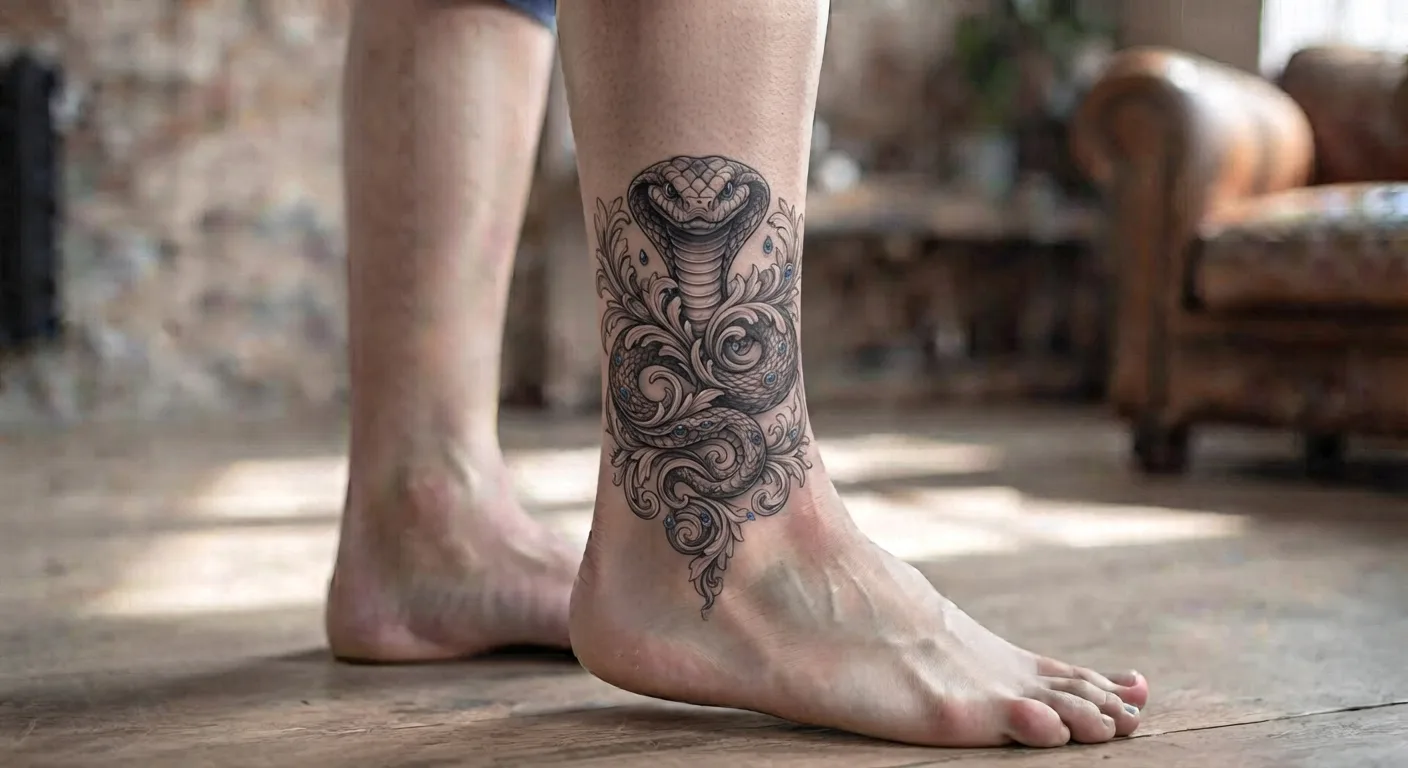
Right Leg
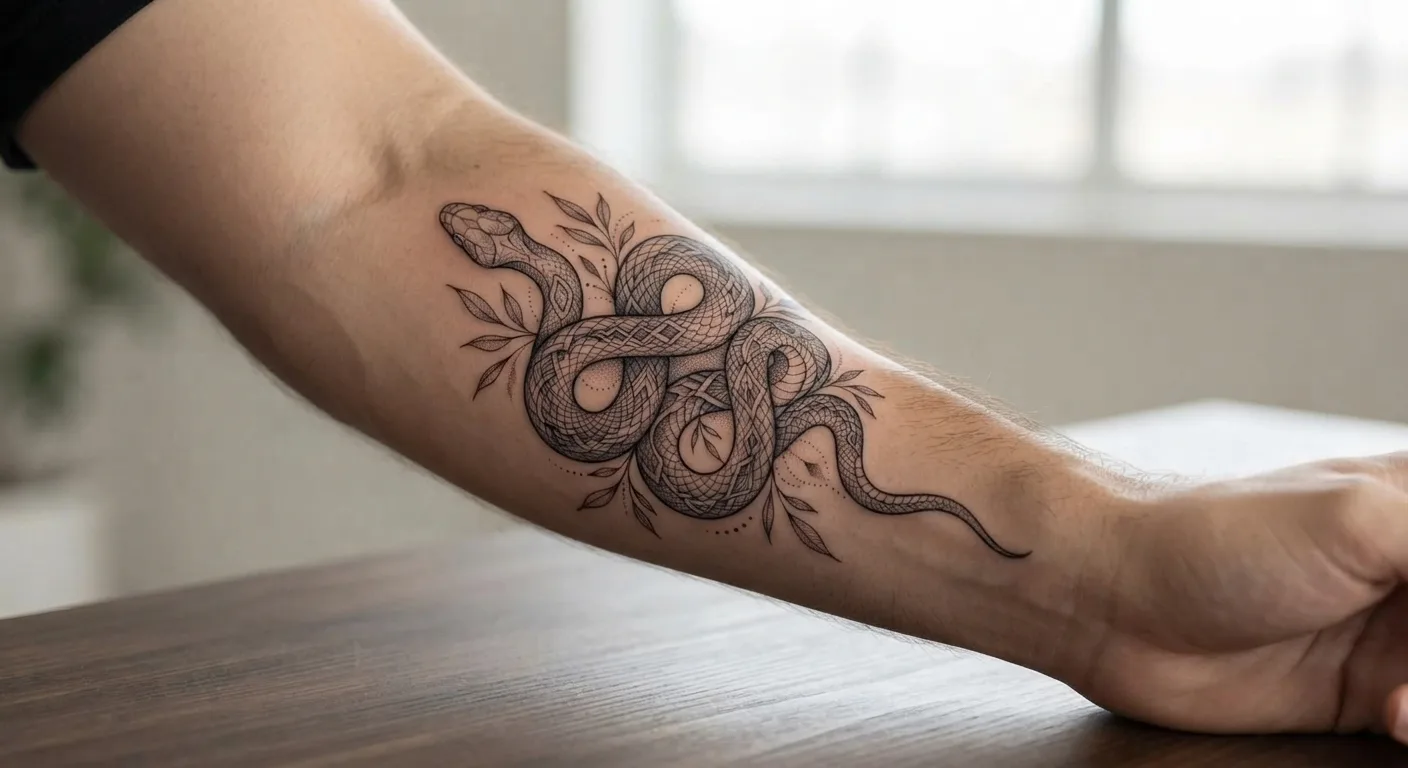
Left Arm
Tap the image to view it full size
Snake Tattoo
Added September 2026
Mystic Cobra Ornamental Tattoo – Left Arm
- They Smell in 3D with Their Forked Tongues (Odor Mapping):
Snakes use their forked tongues rather than their nostrils to smell. By flicking their tongues in the air, they collect airborne chemical particles and transfer them to the Jacobson's (vomeronasal) organ located on the roof of their mouth. The split tip allows them to detect whether an odor is stronger on the left or the right, enabling them to pinpoint the direction of prey or threats like a 3D thermal map
- They Possess a Thermal Imaging System (Infrared Sensors):
Certain species, such as rattlesnakes, pythons, and boas, have specialized heat-sensing organs called pit organs located between their eyes and nostrils. These organs can detect temperature shifts with a precision of 0.003 degrees Celsius. This allows them to "see" the body heat radiated by warm-blooded prey in complete darkness, much like an infrared thermal camera.
- They Have No Eyelids and Never Blink:
Snakes lack movable eyelids altogether. Instead, their eyes are protected by a transparent, stationary scale called a brille (or spectacle). Because of this, their eyes remain open even while sleeping—the only way to tell if a snake is asleep is by its completely still body and head posture. When snakes shed their skin, this transparent protective eye layer is renewed right along with the rest of their skin.
Advertisement
You Might Also Like
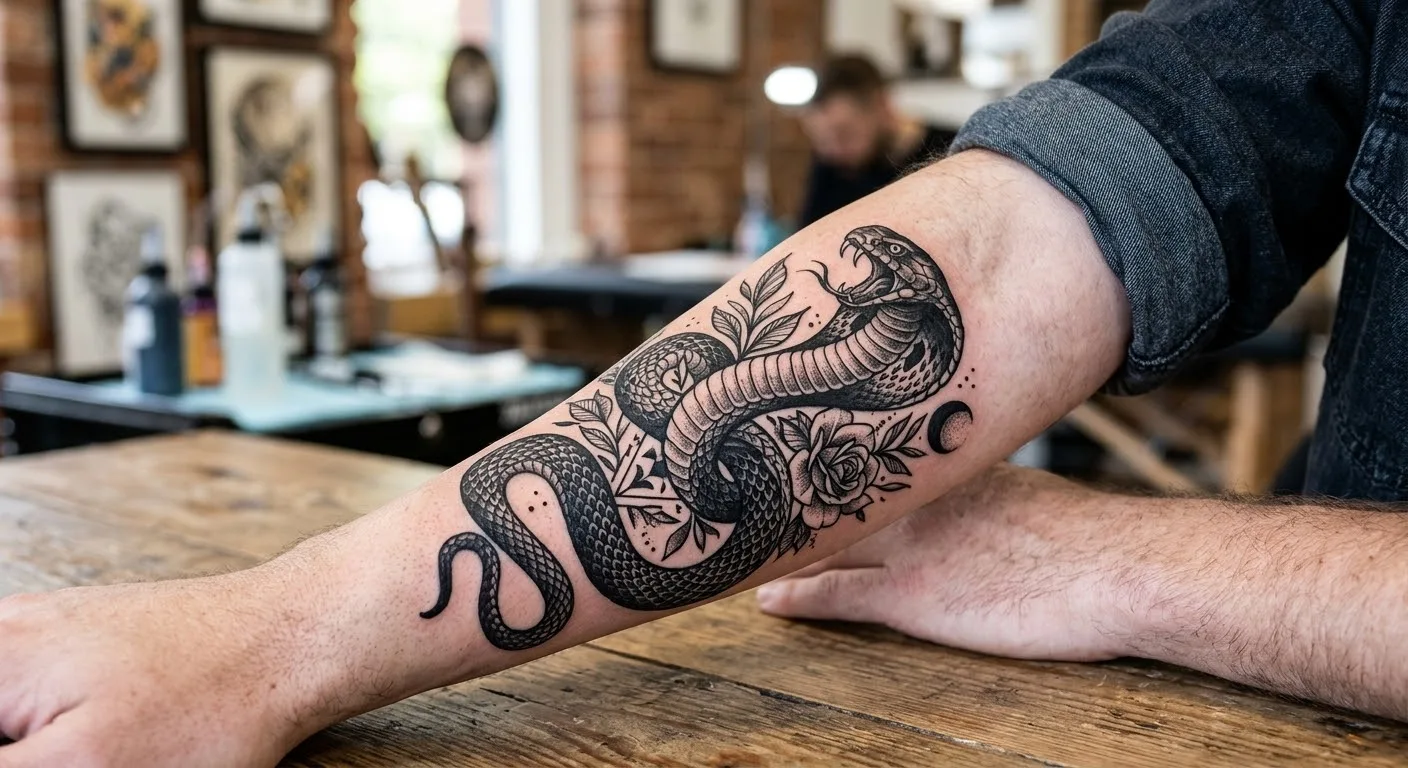
Blackwork Cobra Snake and Rose Tattoo – Forearm
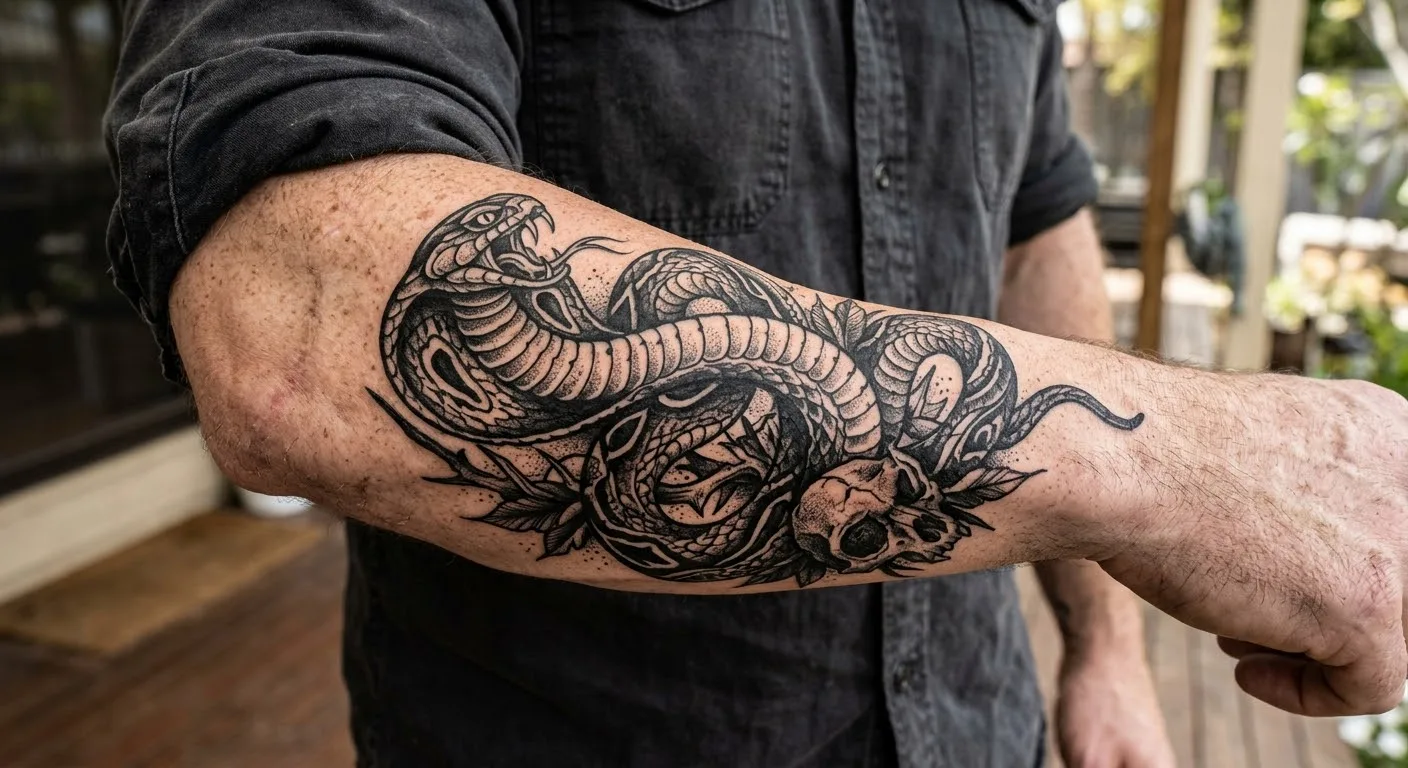
Black and Grey Cobra Skull Tattoo – Outer Forearm
Traditional Engraving Snake Tattoo – Right Leg

Fine Line Cat Tattoo – Outer Ankle
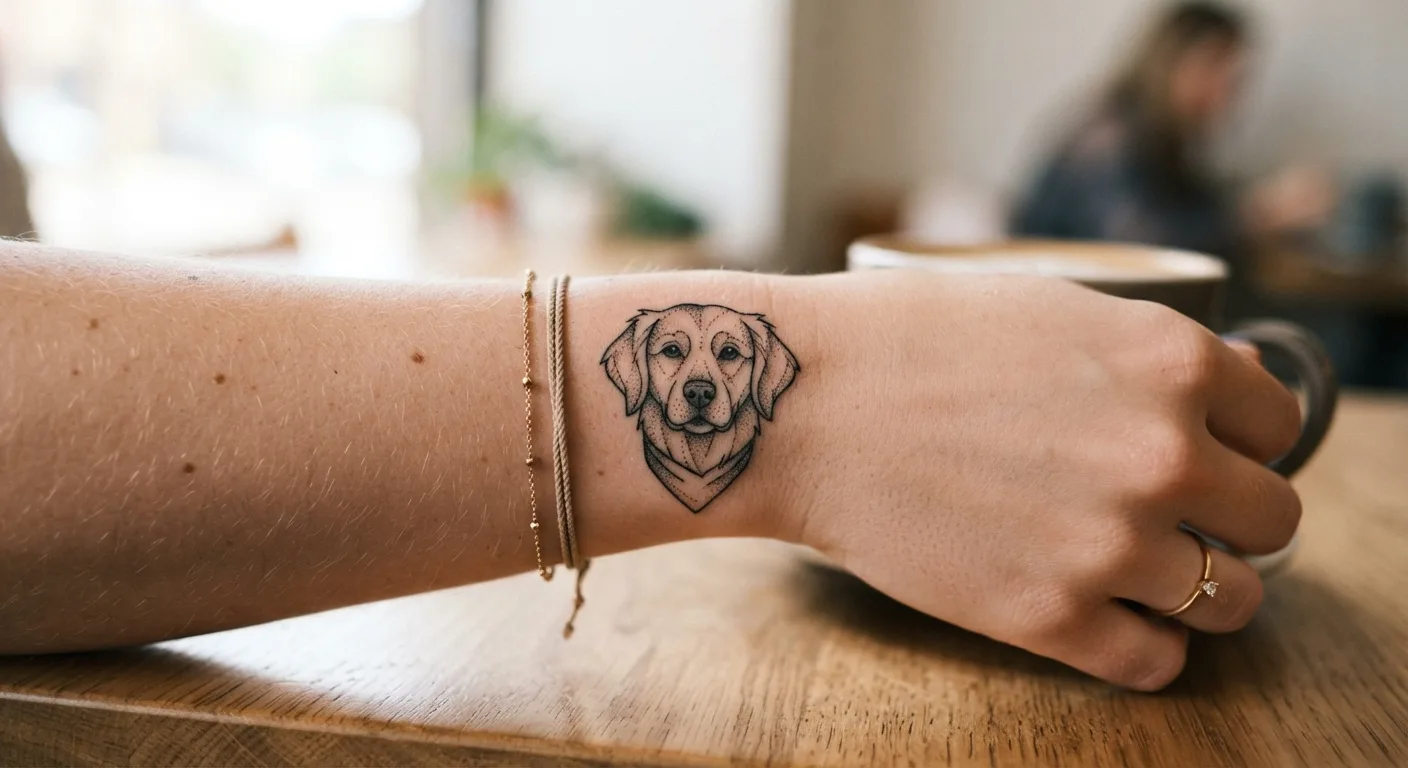
Fine Line Golden Retriever Wrist Dog Tattoo – Right Hand Wrist

Fine Line Circular Koi Tattoo – Back of Neck

Delicate Nature Ladybug Tattoo – Left Hand Wrist
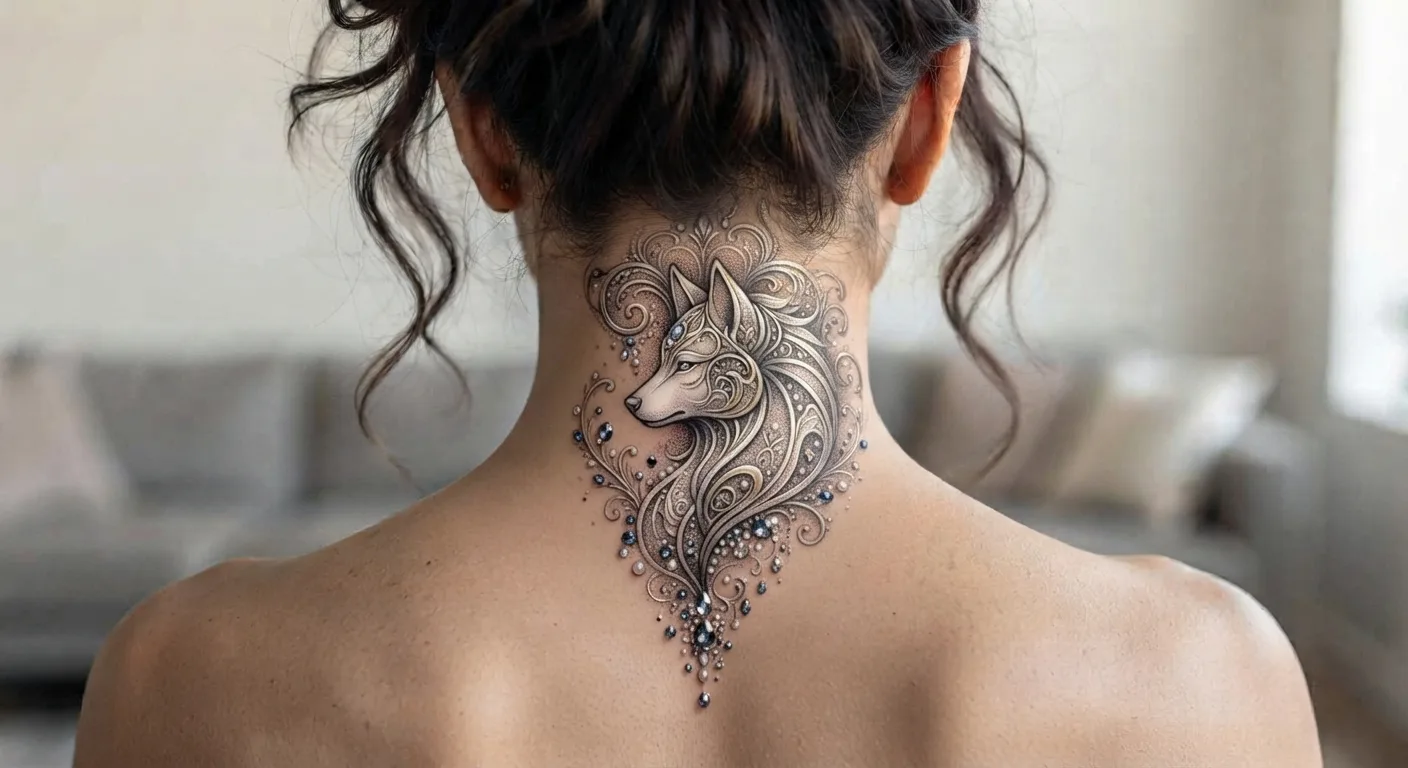
Spiritual Chandelier Wolf Tattoo – Neck
Comments